


This is the full you tube tutorial : https://youtu.be/LwzET3gLokM
Cassie Cartmell – Faodail Creation

Table of Contents
How to Use a Rotary Cutter

If you are new to sewing or quilting, learning How to Use a Rotary Cutter can completely change the way you cut fabric. Rotary cutters help you create straighter lines, cut fabric faster, and make quilting much easier compared to traditional scissors.
In this beginner sewing guide, you will learn How to Use a Rotary Cutter safely and confidently, what tools you need, how to hold your cutter properly, and why rotary cutting is one of the best skills a new quilter or sewer can learn.
Whether you enjoy quilting, sewing projects, or fabric crafts, understanding How to Use a Rotary Cutter will save you time and improve your fabric cutting accuracy.
Many beginner sewers feel nervous the first time they pick up a rotary cutter because the blade is extremely sharp, but once you understand the basics, it quickly becomes one of the easiest sewing tools to use. Learning How to Use a Rotary Cutter properly can also help reduce uneven cuts and fabric waste, which is especially important when working on quilting projects where accuracy matters.
Rotary cutters are widely used by quilters because they allow you to cut clean fabric strips, squares, and shapes with much more precision than regular scissors. As you become more comfortable with How to Use a Rotary Cutter, you will likely notice your sewing projects becoming faster, neater, and more enjoyable to complete.
Why Learning How to Use a Rotary Cutter Is Important

One of the biggest challenges for beginner sewers is cutting fabric accurately. Scissors work well for many sewing tasks, but when you need long straight lines, a rotary cutter is often the better choice.
Learning How to Use a Rotary Cutter allows you to:
- Cut straighter fabric strips
- Save time while sewing
- Improve quilting accuracy
- Cut multiple fabric layers at once
- Reduce hand fatigue
- Create cleaner edges
Many quilters rely on rotary cutters every single day because they make fabric preparation so much easier. Once you understand How to Use a Rotary Cutter, you can speed up many parts of the sewing process while also improving the overall quality of your projects.
Rotary cutters are especially useful for quilting because quilt blocks often require extremely accurate measurements and clean edges. Using a rotary cutter with a quilting ruler helps keep your cuts consistent and professional looking. Learning How to Use a Rotary Cutter can also make sewing more enjoyable since you spend less time struggling with uneven cuts and more time actually creating your projects.
What Is a Rotary Cutter?
A rotary cutter is a sewing tool with a circular blade that rolls across fabric to create smooth and accurate cuts. It works similarly to a pizza cutter but is designed specifically for fabric and quilting.
When learning How to Use a Rotary Cutter, you will notice that the blade glides across the fabric instead of opening and closing like scissors.
Rotary cutters are commonly used for:
- Quilting
- Sewing projects
- Fabric crafts
- Patchwork
- Cutting strips
- Squaring fabric
Once you learn How to Use a Rotary Cutter, you may find yourself reaching for it far more often than your scissors.
Check Out My Favorite Sewing Supplies
If you are looking for some of my favorite sewing, quilting, and crafting tools, be sure to visit my Amazon storefront where I share many of the supplies I personally use and recommend for projects like learning How to Use a Rotary Cutter.
Amazon Store Link https://www.amazon.com/shop/faodailcreation
I’ve included helpful tools such as rotary cutters, quilting rulers, cutting mats, sewing notions, and other beginner-friendly sewing essentials.
Disclosure: This post contains affiliate links, including links to my Amazon storefront. If you choose to purchase through these links, I may receive a small commission at no additional cost to you. Thank you so much for supporting Faodail Creation!
Essential Tools for How to Use a Rotary Cutter
Before you begin learning How to Use a Rotary Cutter, you need a few important sewing tools.
Rotary Cutter
The first tool you need is, of course, the rotary cutter itself. Many sewers own more than one rotary cutter for different crafting purposes.
Some people use:
- One rotary cutter for fabric
- One for paper crafting
- One pinking rotary cutter for decorative edges
Using separate cutters helps keep blades sharper and prevents damage from cutting paper. Paper can dull rotary blades much faster than fabric, which is why many experienced quilters keep dedicated cutters for different materials.
When learning How to Use a Rotary Cutter, choosing a comfortable handle style is also important because it helps improve control and reduces strain on your hand during longer cutting sessions. Rotary cutters come in various blade sizes, but many beginners start with a standard 45mm rotary cutter because it works well for most quilting and sewing projects.
As your sewing skills grow, you may decide to add smaller or specialty rotary cutters to your sewing room.
Quilting Ruler
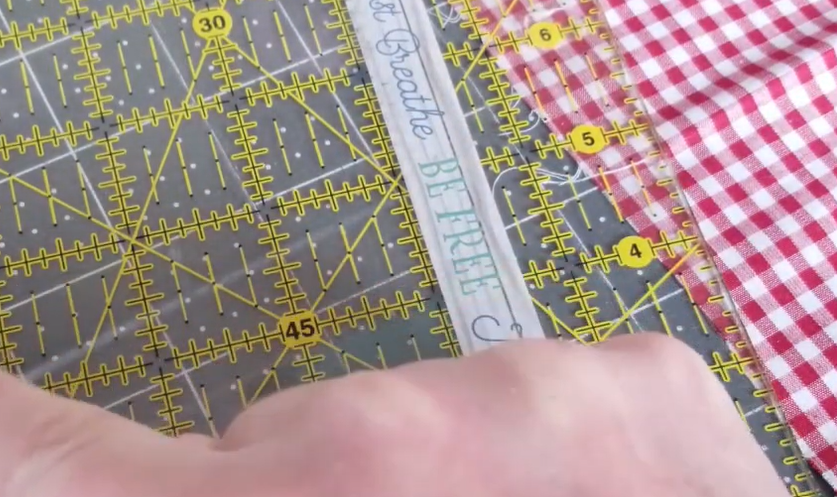
A proper quilting ruler is extremely important when learning How to Use a Rotary Cutter.
You should always use:
- A thick quilting ruler
- A ruler designed for rotary cutting
- A ruler with measurement markings
Standard thin rulers are not safe for rotary cutting because the blade can slip over the edge.
Many quilting rulers feature:
- Inch markings
- Quarter-inch guides
- Grid systems
- Clear acrylic visibility
These features make How to Use a Rotary Cutter much easier for beginners.
Cutting Mat
A self-healing cutting mat protects your table and helps your rotary blade last longer.
Cutting mats:
- Prevent blade damage
- Keep surfaces safe
- Provide measurement guides
- Improve cutting accuracy
A cutting mat is considered essential when practicing How to Use a Rotary Cutter.
How to Use a Rotary Cutter Safely

Safety is one of the most important parts of learning How to Use a Rotary Cutter because the blades are extremely sharp.
Keep Fingers Away From the Blade
Always keep your fingers safely away from the cutting edge.
When cutting:
- Hold the ruler firmly
- Keep fingers spread
- Never place fingers near the blade path
This helps prevent accidents while practicing How to Use a Rotary Cutter.
Always Retract the Blade
Many rotary cutters have a blade safety guard.
After cutting:
- Retract the blade
- Lock the blade closed
- Store safely away from children
Good safety habits are essential when learning How to Use a Rotary Cutter.
Use the Correct Pressure
One common beginner mistake is pressing too lightly or too heavily.
When learning How to Use a Rotary Cutter, apply firm but controlled pressure. The blade should glide smoothly through the fabric without forcing it.
How to Hold a Rotary Cutter Properly

Proper hand positioning makes a huge difference when learning How to Use a Rotary Cutter.
The easiest way to hold it is similar to how you would hold a knife during dinner.
Correct Hand Position
You should:
- Grip the handle comfortably
- Keep your index finger near the top
- Apply downward pressure evenly
- Roll the cutter smoothly
This grip helps keep the cutter steady and improves cutting accuracy.
Many beginners discover that mastering the grip is the key to successfully learning How to Use a Rotary Cutter.
Step-by-Step Guide – How to Use a Rotary Cutter

Step 1: Prepare Your Fabric
Before cutting:
- Smooth your fabric
- Press wrinkles if possible
- Lay fabric flat on the cutting mat
Flat fabric creates more accurate cuts.
Step 2: Position the Ruler
Place the quilting ruler exactly where you want to cut.
The ruler acts as your guide while learning How to Use a Rotary Cutter.
Be sure to:
- Hold the ruler firmly
- Keep it from slipping
- Align measurements carefully
Step 3: Apply Pressure
Place the rotary cutter against the ruler edge.
Apply gentle but steady pressure while rolling the blade across the fabric.
Do not saw back and forth like scissors.
Instead, glide the blade in one smooth motion.
Step 4: Reposition Your Hand
For longer cuts:
- Move your ruler hand carefully
- Continue pressing firmly
- Finish the cut smoothly
Repositioning safely is an important part of learning How to Use a Rotary Cutter.
Step 5: Check Your Fabric
After cutting:
- Lift the ruler carefully
- Separate the fabric
- Check for clean edges
If the fabric did not fully cut, your blade may need replacing.
Why Rotary Cutters Are Better Than Scissors

Scissors are useful, but rotary cutters offer several advantages.
Faster Cutting
Rotary cutters allow you to cut long strips in one smooth movement.
This makes quilting preparation much faster.
Straighter Lines
One major benefit of learning How to Use a Rotary Cutter is achieving cleaner and straighter fabric cuts.
Straight cuts are especially important for:
- Quilt blocks
- Binding strips
- Patchwork
- Fabric squares
Multiple Fabric Layers
Rotary cutters can cut through several layers of fabric at once.
Depending on your confidence and blade sharpness, many rotary cutters can comfortably cut:
- 2 layers
- 4 layers
- Sometimes even 6 layers
This saves a huge amount of time during quilting projects.
How to Stop Your Quilting Ruler From Slipping

A slipping ruler can ruin cuts and create safety issues.
Many sewers use:
- Non-slip spray
- Sticky ruler dots
- Grip tape
- Quilting ruler grips
These tools help stabilize the ruler while learning How to Use a Rotary Cutter.
Non-slip rulers make cutting safer and more accurate.
Common Mistakes When Learning How to Use a Rotary Cutter
Using a Dull Blade
If your fabric starts snagging or not cutting cleanly, your blade likely needs replacing.
Sharp blades are extremely important when learning How to Use a Rotary Cutter.
Using the Wrong Ruler
Never use:
- Thin plastic rulers
- School rulers
- Metal rulers not designed for quilting
Always use quilting rulers designed for rotary cutting.
Not Applying Enough Pressure
Too little pressure can cause incomplete cuts.
Too much pressure may damage the mat or shift the ruler.
Practice helps you find the right balance.
Cutting Too Quickly
Take your time while learning How to Use a Rotary Cutter.
Speed improves naturally with practice.
How Often Should You Change Rotary Cutter Blades?

Blade replacement depends on:
- How often you sew
- Fabric thickness
- Whether you cut paper
- Blade quality
Signs you need a new blade:
- Fabric skips
- Jagged cuts
- Increased resistance
- Frayed edges
Fresh blades make How to Use a Rotary Cutter much easier and safer.
Best Projects for Practicing How to Use a Rotary Cutter
If you are new to rotary cutting, start with simple projects.
Beginner-Friendly Practice Ideas
Fabric Strips
Great for learning straight cuts.
Quilt Squares
Perfect for improving measuring skills.
Table Runners
Excellent beginner quilting projects.
Simple Patchwork
Helps build confidence with rulers and measurements.
These beginner projects help improve your skills with How to Use a Rotary Cutter quickly.
Rotary Cutter Tips for Beginners

Start Slowly
Accuracy matters more than speed.
Keep Your Blade Sharp
Sharp blades improve safety and cutting precision.
Use Good Lighting
Bright lighting helps you line up ruler markings accurately.
Practice Straight Cuts First
Master straight lines before trying angles or shapes.
Store Safely
Always close the blade after use.
Good habits are important when learning How to Use a Rotary Cutter.
Frequently Asked Questions About How to Use a Rotary Cutter
Is a Rotary Cutter Better Than Scissors?
For straight fabric cuts and quilting, yes. Rotary cutters are faster and more accurate.
Can Beginners Learn How to Use a Rotary Cutter?
Absolutely. Rotary cutters are beginner-friendly once you understand safety and hand positioning.
Do I Need a Cutting Mat?
Yes. A cutting mat protects your blade and your work surface.
How Sharp Are Rotary Cutter Blades?
Very sharp. Always handle them carefully and retract the blade after use.
Can Rotary Cutters Cut Multiple Layers?
Yes. Many rotary cutters can cut several fabric layers at once.
Final Thoughts on How to Use a Rotary Cutter
Learning How to Use a Rotary Cutter is one of the best skills a beginner sewer or quilter can develop. Rotary cutters help create straighter cuts, improve accuracy, and speed up fabric preparation dramatically.
With the right quilting ruler, cutting mat, and proper technique, you can confidently master How to Use a Rotary Cutter and improve your sewing projects right away.
The more you practice, the easier rotary cutting becomes. Soon, you may find yourself using your rotary cutter for nearly every quilting and sewing project you create.
If you are just starting your sewing journey, learning How to Use a Rotary Cutter is a fantastic place to begin.
Join my FACEBOOK GROUP
Faodail Creation Facebook Group Link where I have all my free patterns
READ NEXT
How to Use a Rotary Cutter | Sewing Machine Tutorials & Tips for Beginners
How to Use a Rotary Cutter | Sewing Machine Tutorials & Tips for Beginners is a fun way to explore sewing projects.
If you enjoyed How to Use a Rotary Cutter | Sewing Machine Tutorials & Tips for Beginners, you might also like How to Sew a Tote Bag you can also try How to Sew a Fabric Basket to learn more sewing tutorials
The above links lead to Faodail Creation You Tube Channel
SUBSCRIBE! So you don’t miss my next blog post
Use the search below so you can find your next sewing project
Latest Blog Posts
- How to Make a Fabric Garland
- Make a Zipper Pouch on the Cricut : Easy, Brilliant Step-by-Step Tutorial
- How to Embroider on Ribbon : 7 Easy Steps for Beautiful Personalized Christmas Ribbon
- Cat Applique Sewing Pattern : 8 Easy Steps to Create Beautiful Fabric Wall Art
- IQ Designer Christmas Ornament : Easy, Creative Baby Lock Altair 2 Tutorial
This Blogs Category
Blog Categories
- Amazon Must Haves
- Baby Lock Altair Tutorials
- Baby Lock Mid Arm | Faodail Creation
- Baby Lock Serger | Faodail Creation
- Baby Lock Soprano
- Christmas Sewing
- Easy Quilting Projects | Faodail Creation
- Easy Sewing Projects for Beginners
- Fabric Painting Tutorials
- Free Motion Quilting | Faodail Creation
- Garment Sewing
- How to Applique
- How to sew quilt Blocks
- How to Sew Zipper Pouches
- Machine Embroidery for Beginners
- On the Cricut Sewing Projects
- Quilt Binding
- Quilting Techniques
- Sewing Cushion Covers
- Sewing Machine Tutorials Tips for Beginners
- Sewing Velcro | Faodail Creation
- Thread Painting Tutorials | Faodail Creation
More Blog Posts
Blog Tags
