
This is the you tube playlist for Sewing Machine Tutorials & Tips for Beginners https://www.youtube.com/playlist?list=PLe5G626MPKfBXzmhgYLHolFnzwCs8n0SO
Cassie Cartmell – Faodail Creation
Table of Contents

Learning to sew is an ongoing creative journey. Every project provides an opportunity to practise familiar techniques, explore new machine features and develop your confidence. As a Baby Lock Educator, I enjoy sharing practical knowledge and helping sewists develop their skills one stitch at a time.
Browse the Sewing Machine Tutorials & Tips for Beginners on Faodail Creation to discover practical guides, helpful demonstrations and creative project ideas. As a Baby Lock Educator, I share helpful techniques and demonstrations to make learning how to use your sewing machine easier.
You can also explore my quilting tutorials, appliqué projects and machine embroidery lessons to discover even more ways to use your sewing machine. Being a Baby Lock Educator allows me to share my experience with sewing machines and encourage you to explore their features and possibilities.
Take your time, experiment with different techniques and enjoy learning something new. As a Baby Lock Educator, I hope these tutorials inspire you to keep practising, building your confidence and enjoying your creative journey.
1. Getting Started with Sewing Machine Tutorials & Tips for Beginners
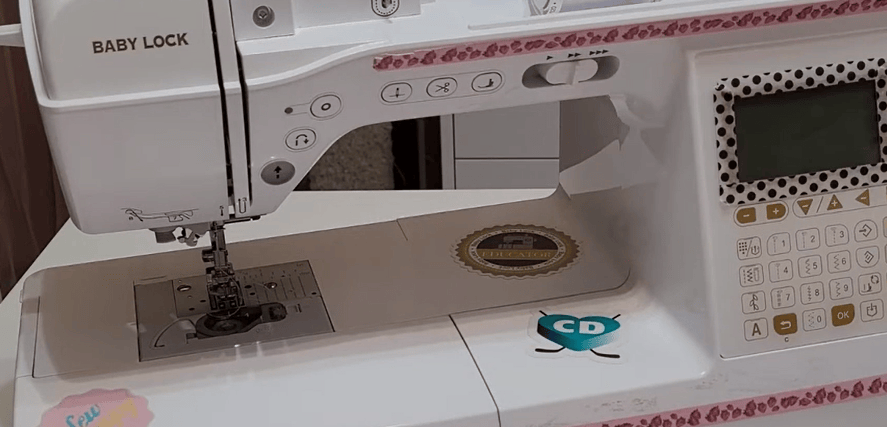
Learning how to use a sewing machine begins with understanding its basic features and functions. Although Sewing machines can look quite different depending on the manufacturer and model, but most domestic sewing machines share several important components.
Before starting your first project, take some time to familiarize yourself with your machine. Understanding what each control does will make it easier to follow sewing instructions and select the correct settings. These Sewing Machine Tutorials & Tips for Beginners will help you become more comfortable with your machine and understand its essential features.
Understanding Your Sewing Machine
Most sewing machines include a selection of basic components that work together to create stitches.
These commonly include:
- Spool pin: Holds the upper thread spool while you sew.
- Thread guides: Direct the thread through the correct threading path.
- Take-up lever: Helps control the movement of the upper thread during stitching.
- Needle: Carries the upper thread through the fabric to form each stitch.
- Presser foot: Holds the fabric against the feed dogs while sewing.
- Needle plate: Provides a smooth surface beneath the needle and includes seam allowance markings.
- Feed dogs: Move the fabric through the machine as you sew.
- Bobbin and bobbin case: Hold the lower thread used to form the stitch.
- Handwheel: Allows you to raise and lower the needle manually.
- Foot pedal: Controls the sewing speed on machines equipped with a foot controller.
Taking the time to identify these parts is one of the most useful sewing machine basics for beginners. Understanding these components is an important part of learning through Sewing Machine Tutorials & Tips for Beginners.
Your sewing machine manual is also an important resource. Different models may have slightly different threading paths, controls and features, so always refer to the instructions supplied with your particular machine. Many Sewing Machine Tutorials & Tips for Beginners also demonstrate how these features work on different models.
Sewing Machine Tutorials & Tips for Beginners – Choosing the Right Sewing Machine
If you are purchasing your first sewing machine, consider what you would like to make.
A basic machine with straight stitch, zigzag stitch and adjustable stitch length is suitable for many beginner sewing projects. If you plan to explore quilting, decorative stitching or garment construction, you might appreciate additional features.
Consider the following when comparing machines:
- The number of available stitches.
- Adjustable stitch length and width.
- Automatic needle threading.
- Speed control.
- Available presser feet.
- Buttonhole functions.
- Needle position settings.
- Ease of threading and bobbin winding.
You don’t necessarily need an expensive sewing machine to get started. Learning how to use the features available on your machine is much more important than having hundreds of stitches you may never use.
With the right Sewing Machine Tutorials & Tips for Beginners, you can gradually learn to use your machine, practice its different settings and develop the confidence to tackle new projects. These Sewing Machine Tutorials & Tips for Beginners are designed to make learning easier, whether you are using a basic mechanical machine or a more advanced computerized model.
Explore more Sewing Machine Tutorials & Tips for Beginners at Faodail Creation to discover practical advice, helpful demonstrations and techniques to support your sewing journey.
2. Sewing Machine Tutorials & Tips for Beginners – Sewing Machine Threading Tutorials
Learning how to thread a sewing machine correctly is one of the first essential skills every beginner should develop. These Sewing Machine Tutorials & Tips for Beginners will help you understand the threading process and get your machine ready for your first project.
Incorrect threading is a common cause of sewing problems, including skipped stitches, thread bunching and uneven stitching. Even experienced sewists sometimes need to rethread their machines when something doesn’t look right.
How to Thread a Sewing Machine
Although threading instructions vary between machines, the general process is similar. Learning how to thread your machine is an important part of Sewing Machine Tutorials & Tips for Beginners.
Start by placing your thread spool onto the spool pin. Follow the numbered threading guides on your machine, making sure the thread passes through each required guide.
Next, guide the thread through the take-up lever and continue following the threading path towards the needle.
Thread the needle according to your machine’s instructions. Some machines include an automatic needle threader, while others require you to thread the needle manually.
Before sewing, make sure the presser foot is raised when threading the upper thread if your machine requires this. Raising the presser foot opens the tension discs on many machines, allowing the thread to sit correctly.
Following these steps in the correct order will make threading easier as you work through more Sewing Machine Tutorials & Tips for Beginners.
Winding and Inserting a Bobbin
The bobbin supplies the lower thread needed to create a stitch. Before beginning a sewing project, make sure your bobbin is wound evenly and inserted correctly.
Place your thread spool on the spool pin and follow the bobbin-winding guides on your machine. Wind the thread onto the bobbin, ensuring it fills evenly without becoming tangled.
Once the bobbin is wound, insert it into the bobbin case or drop-in bobbin area according to your machine’s instructions.
Check that the thread follows the correct direction and passes through the designated guides.
Incorrect bobbin placement can cause stitching problems, so always check your manual if you are unsure. Understanding bobbin winding and insertion is another useful skill covered in Sewing Machine Tutorials & Tips for Beginners.
Bringing Up the Bobbin Thread
After threading your machine, you may need to bring the bobbin thread up through the needle plate before beginning to sew.
Hold the upper thread gently while turning the handwheel towards you to lower and raise the needle. This allows the upper thread to catch the bobbin thread and bring it through the needle plate.
Pull both thread tails towards the back of the machine before starting to sew.
Learning these simple steps will help you develop good sewing habits and avoid many common threading problems. With practice and the help of Sewing Machine Tutorials & Tips for Beginners, threading your machine will soon become part of your regular sewing routine.
Explore more Sewing Machine Tutorials & Tips for Beginners at Faodail Creation to build your skills, understand your machine and feel more confident starting your next sewing project.
3. Sewing Machine Tutorials & Tips for Beginners – Understanding Sewing Machine Stitches and Settings

One of the most useful Sewing Machine Tutorials & Tips for Beginners topics is understanding the different stitches available on your machine.
Most domestic sewing machines include several basic stitches, along with decorative options that can be used for different sewing applications. Learning what each stitch does will help you choose the right setting for your project.
Straight Stitch
The straight stitch is one of the most frequently used sewing machine stitches.
It is suitable for joining fabric pieces, sewing seams, making hems and completing many everyday sewing projects.
Most machines allow you to adjust the stitch length depending on the fabric and project. A shorter stitch may be useful for lightweight fabrics or detailed sewing, while a longer stitch can be suitable for heavier materials or gathering.
Zigzag Stitch
The zigzag stitch moves from side to side as the machine sews.
It is commonly used for finishing raw fabric edges, sewing stretch fabrics and adding decorative details.
You can usually adjust both the stitch width and length to create different effects. These are useful settings to explore as you work through Sewing Machine Tutorials & Tips for Beginners.
Decorative Stitches
Many modern sewing machines include decorative stitches that can be used to personalise your projects.
These stitches can add interesting details to clothing, quilts, home decorations and accessories.
Experiment with different stitch patterns on fabric scraps before using them on your finished project. Exploring decorative options is another enjoyable part of Sewing Machine Tutorials & Tips for Beginners.
Choosing Stitch Length and Width
Understanding stitch length and width helps you achieve better sewing results.
Stitch length controls how far the fabric moves between individual stitches. Stitch width determines how wide a stitch pattern spreads across the fabric.
The best settings depend on the fabric, thread and sewing technique you are using.
Always test your settings on a fabric sample before beginning your project. With practice and helpful Sewing Machine Tutorials & Tips for Beginners, you will become more confident selecting the right stitches and settings for your sewing projects.
Explore more Sewing Machine Tutorials & Tips for Beginners at Faodail Creation to discover practical sewing advice and develop your machine skills.
4. Sewing Machine Tutorials & Tips for Beginners – Sewing Machine Tension and Troubleshooting
Sewing machine tension can seem confusing when you are first learning to sew. However, understanding how the upper and lower threads work together will help you recognize and correct common stitching problems. These Sewing Machine Tutorials & Tips for Beginners will help you understand how to achieve balanced stitches.
A properly balanced stitch allows the upper and lower threads to interlock neatly within the fabric layers.
Understanding Upper Thread Tension
The upper thread tension controls how tightly the upper thread is pulled through the machine.
If the tension is too tight, you may notice the lower thread being pulled towards the top of the fabric.
If the tension is too loose, loops of upper thread may appear underneath the fabric.
Most sewing machines include an adjustable upper thread tension control. The recommended setting will depend on your machine and the fabric you are using. Understanding these adjustments is an important part of Sewing Machine Tutorials & Tips for Beginners.
Common Sewing Machine Problems
Even when your machine is threaded correctly, you may occasionally experience stitching problems.
Here are a few common issues and things to check. Learning to identify these problems is a useful skill to develop through Sewing Machine Tutorials & Tips for Beginners.
Thread bunching underneath the fabric
This is often caused by incorrect upper threading. Raise the presser foot and rethread the machine, checking that the thread passes through all the required guides.
Skipped stitches
Skipped stitches may occur when the needle is damaged, incorrectly inserted or unsuitable for the fabric. Try replacing the needle with a new one of the appropriate type.
Thread breaking
Check that the thread is correctly positioned, the needle is suitable for the thread and fabric, and there are no obstructions around the needle plate.
Fabric not feeding properly
Check that the presser foot is lowered and the feed dogs are engaged. Also make sure the fabric is suitable for the selected stitch and presser foot.
Uneven stitches
Check the needle, thread, threading path and stitch settings. Make sure you are allowing the feed dogs to move the fabric rather than pulling or pushing it through the machine.
Developing Your Sewing Machine Troubleshooting Skills
When troubleshooting, make one adjustment at a time and test your stitching on a scrap of the same fabric. This makes it easier to identify what has corrected the problem.
The Sewing Machine Tutorials & Tips for Beginners at Faodail Creation are designed to help you understand your machine, recognize common sewing problems and develop practical skills.
With patience and practice, these Sewing Machine Tutorials & Tips for Beginners will help you become more independent and confident when sewing. Explore more Sewing Machine Tutorials & Tips for Beginners to keep building your knowledge and enjoy your sewing projects.
5. Sewing Machine Tutorials & Tips for Beginners – Choosing the Correct Sewing Machine Needle

The sewing machine needle plays an important role in achieving good stitching results.
Different fabrics require different needle types, so selecting the correct needle is an important part of learning to sew.
Types of Sewing Machine Needles
Some commonly used sewing machine needles include:
- Universal needles: Suitable for many everyday woven fabrics and some knit fabrics.
- Jersey needles: Designed for knitted fabrics.
- Stretch needles: Useful for elastic and stretch materials.
- Denim needles: Designed for heavier fabrics such as denim and canvas.
- Microtex needles: Suitable for fine fabrics and detailed stitching.
- Embroidery needles: Designed for machine embroidery threads and embroidery applications.
- Quilting needles: Designed to help stitch through multiple fabric layers.
Using the correct needle helps reduce skipped stitches, fabric damage and thread breakage.
When Should You Change Your Needle?
A sewing machine needle does not last forever. It can become dull, bent or damaged through regular use.
If you notice unusual noises, skipped stitches or damaged fabric, replacing the needle is a sensible first step.
It is also good practice to begin a new project with a fresh needle, particularly when changing fabric types.
Always switch off your machine before changing the needle and follow the manufacturer’s instructions.
Discover More Sewing Machine Tutorials & Tips for Beginners
Learning to sew is an ongoing creative journey. Every project provides an opportunity to practise familiar techniques, explore new machine features and develop your confidence. The Sewing Machine Tutorials & Tips for Beginners at Faodail Creation are here to help you build your skills one stitch at a time.
Browse the Sewing Machine Tutorials & Tips for Beginners on Faodail Creation to discover practical guides, helpful demonstrations and creative project ideas.
You can also explore my quilting tutorials, appliqué projects and machine embroidery lessons to discover even more ways to use your sewing machine. These related Sewing Machine Tutorials & Tips for Beginners can help you find inspiration for your next project.
Take your time, experiment with different techniques and enjoy learning something new. Keep exploring Sewing Machine Tutorials & Tips for Beginners and make every stitch part of your creative journey.
Watch More Applique tutorials


SUBSCRIBE So you don’t miss my next blog post
If you are interested in more How to Applique, you might also like How to Use a Sewing Machine you can also try Attending Quilt Con to learn more Applique using your sewing machine.